Understanding Hail Damage: A North Texas Homeowner's Guide
Hailstorms are a fact of life in North Texas. Every spring and summer, thousands of homeowners experience severe weather that leaves them wondering the same questions:
- Was my roof damaged?
- Do I need to file an insurance claim?
- Why isn't my roof leaking if it was hit by hail?
- How can I tell the difference between hail damage and normal aging?
Unfortunately, those questions are often answered by high-pressure sales tactics rather than clear, honest information.
At Joyful Roofing & Construction, we believe homeowners deserve better.
Our goal isn't to convince you that every roof needs replacement. It's to help you understand what hail damage actually is, how it's identified, and what your options are if your home has been affected. Whether your roof requires a simple repair, continued monitoring, or a complete replacement, we'll explain what we find and why.
The more informed you are, the more confident you'll be in making the right decision for your home.
Why Hail Is Such a Concern in North Texas?
North Texas experiences some of the most active hail-producing storms in the United States. Large temperature swings, strong spring storm systems, and powerful updrafts create ideal conditions for hailstones ranging from pea-sized to baseball-sized—and sometimes even larger.
But here's something many homeowners don't realize:
The size of the hail doesn't always determine the amount of damage.
Several factors influence how much impact your roof experiences, including:
- Wind speed and direction during the storm
- The age and condition of your roofing materials
- The quality of the shingles or roofing system
- Previous weather exposure
- Roof slope and orientation
- Whether the hail was hard, dense ice or softer, partially melted hail
Two homes sitting next to each other can experience dramatically different levels of roof damage from the very same storm.
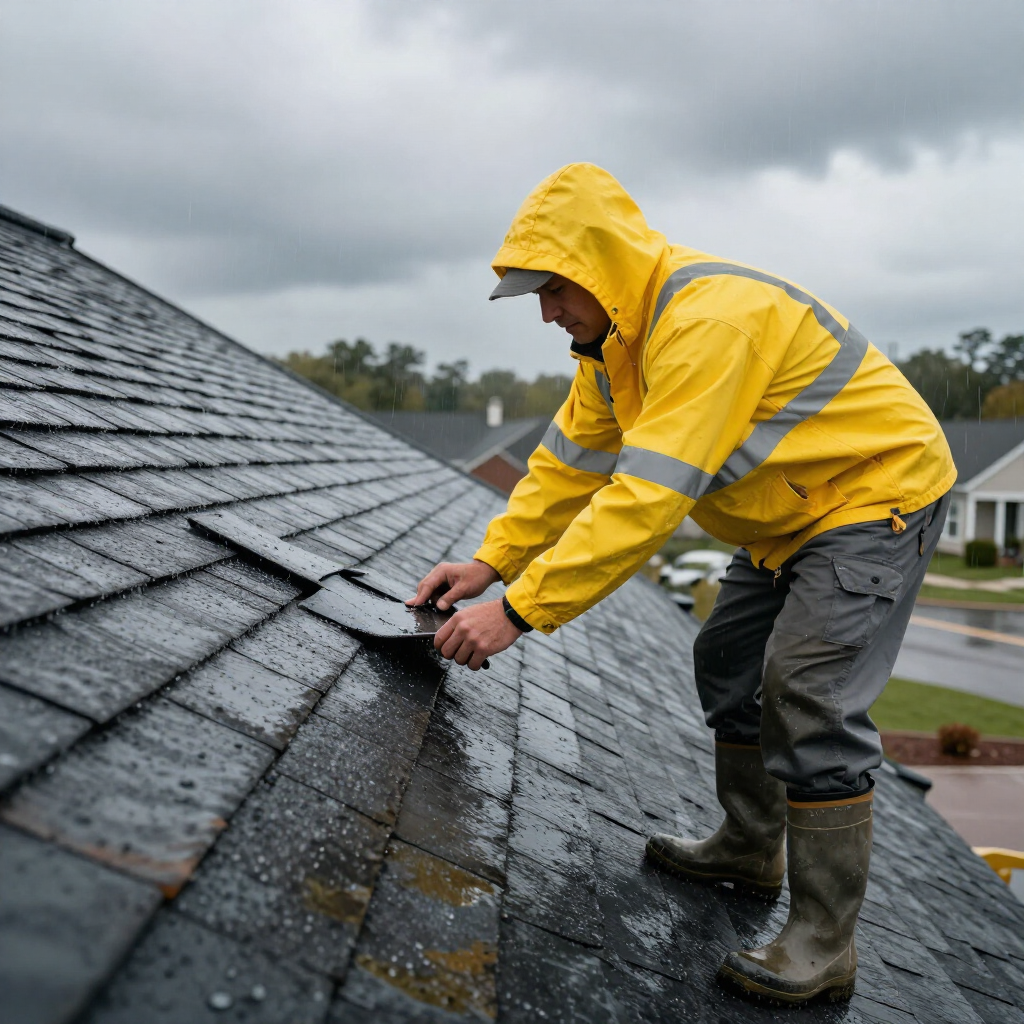
That's why a professional inspection should focus on documented evidence rather than assumptions based on hail size alone.
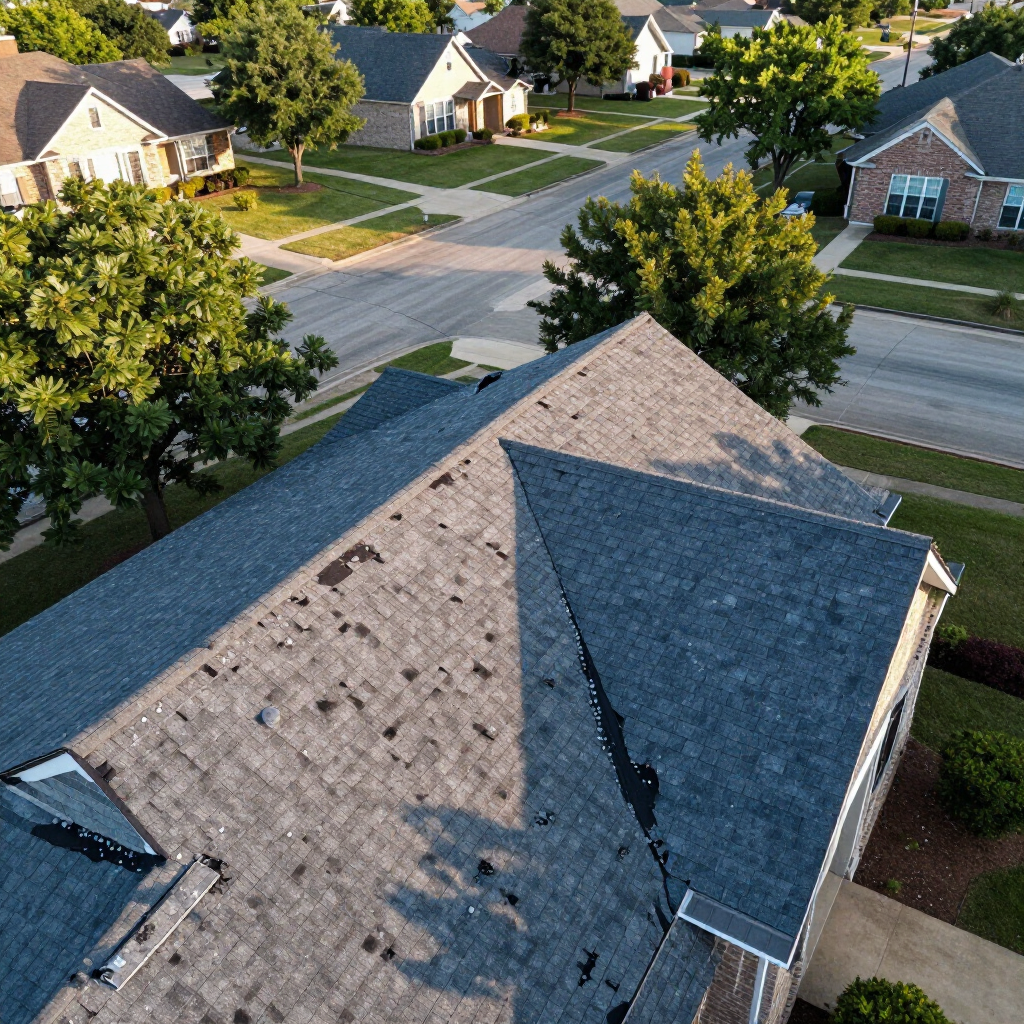
What Does Hail Damage Actually Look Like?
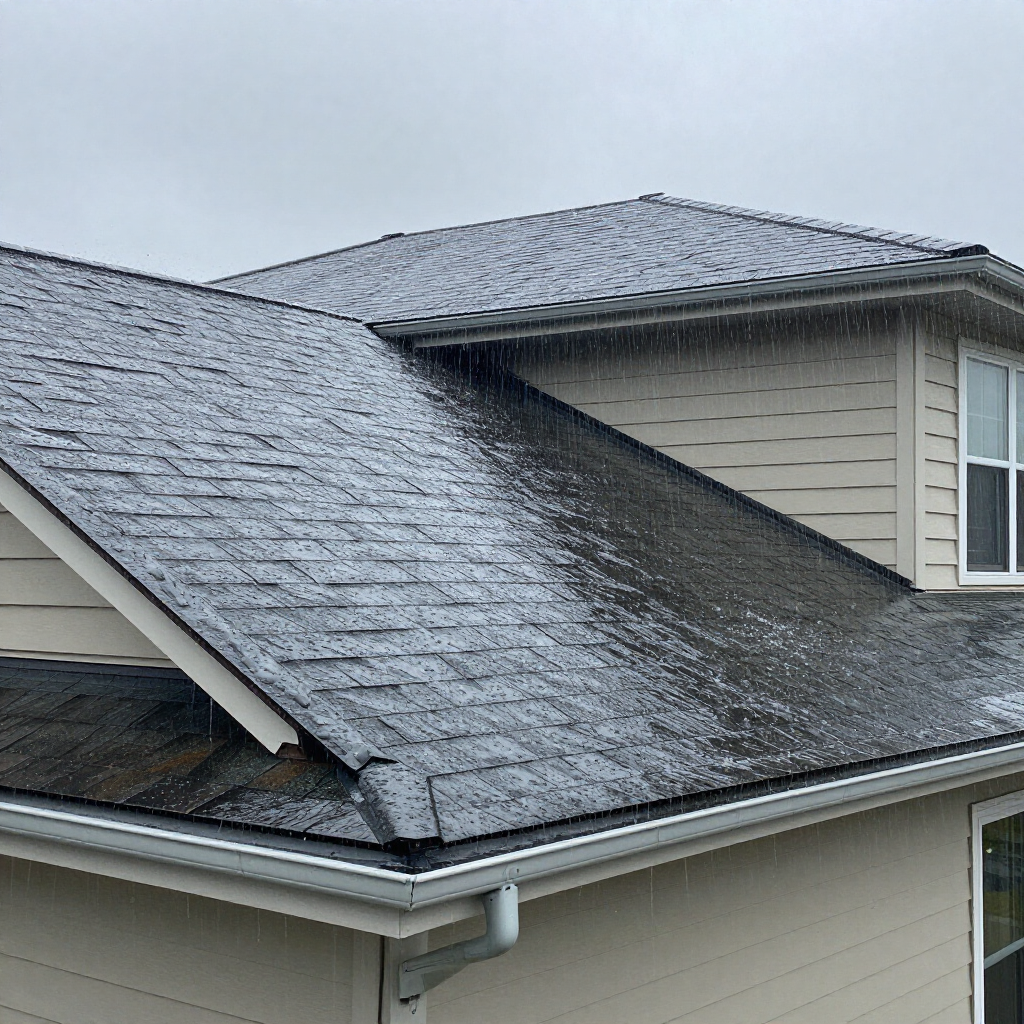
When hail strikes a roof, the damage isn't always obvious from the ground. In many cases, a roof may continue shedding water for months—or even years—before problems become noticeable inside the home.
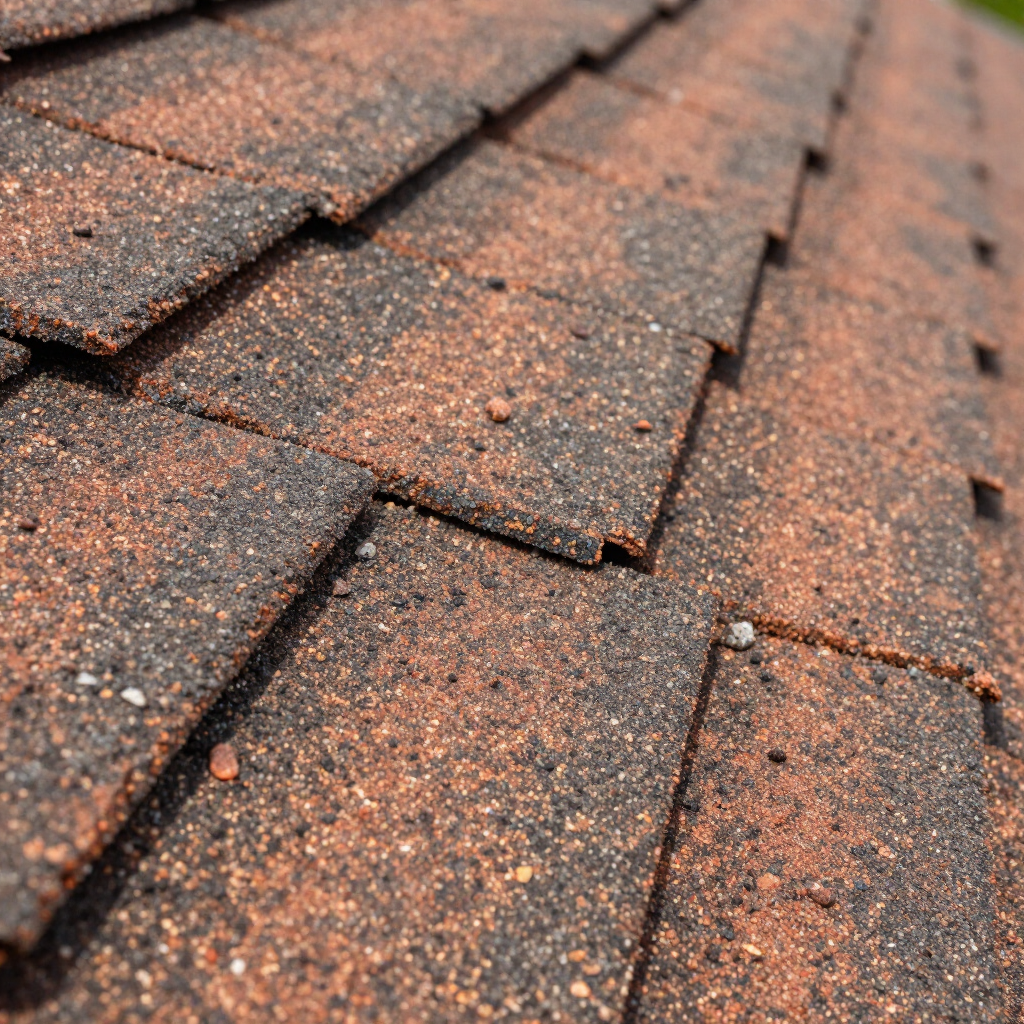
On asphalt shingles, hail can fracture or bruise the fiberglass mat beneath the protective granules. While the shingle may continue functioning initially, those weakened areas often deteriorate faster under continued exposure to sunlight, heat, rain, and temperature changes.
Depending on the severity of the storm, hail may also:
- Knock protective granules from shingles.
- Create impact bruises that weaken the roofing material.
- Fracture fiberglass reinforcement inside the shingle.
- Damage ridge caps and hip shingles.
- Dent metal roof components such as vents, flashing, turbine vents, and pipe flashings.
- Damage gutters and downspouts.
- Crack skylights or other rooftop accessories.
- Dent HVAC condenser fins and coil guards.
- Damage window screens, fencing, garage doors, and other exterior surfaces.
Every roof responds differently depending on its age, condition, manufacturer, and installation quality. That's why experienced inspectors evaluate the entire roofing system—not just isolated shingles.
Other items also see the effects of Hail
A thorough hail inspection extends beyond the roof.
We also evaluate other exterior surfaces that may have been affected, including:
- Window screens
- Garage doors
- Mailboxes
- Fence staining and soft wood surfaces
- Air conditioning condenser units
- Exterior lighting
- Painted metal surfaces
These observations help create a more complete understanding of how the storm affected your property.
